
Introduction
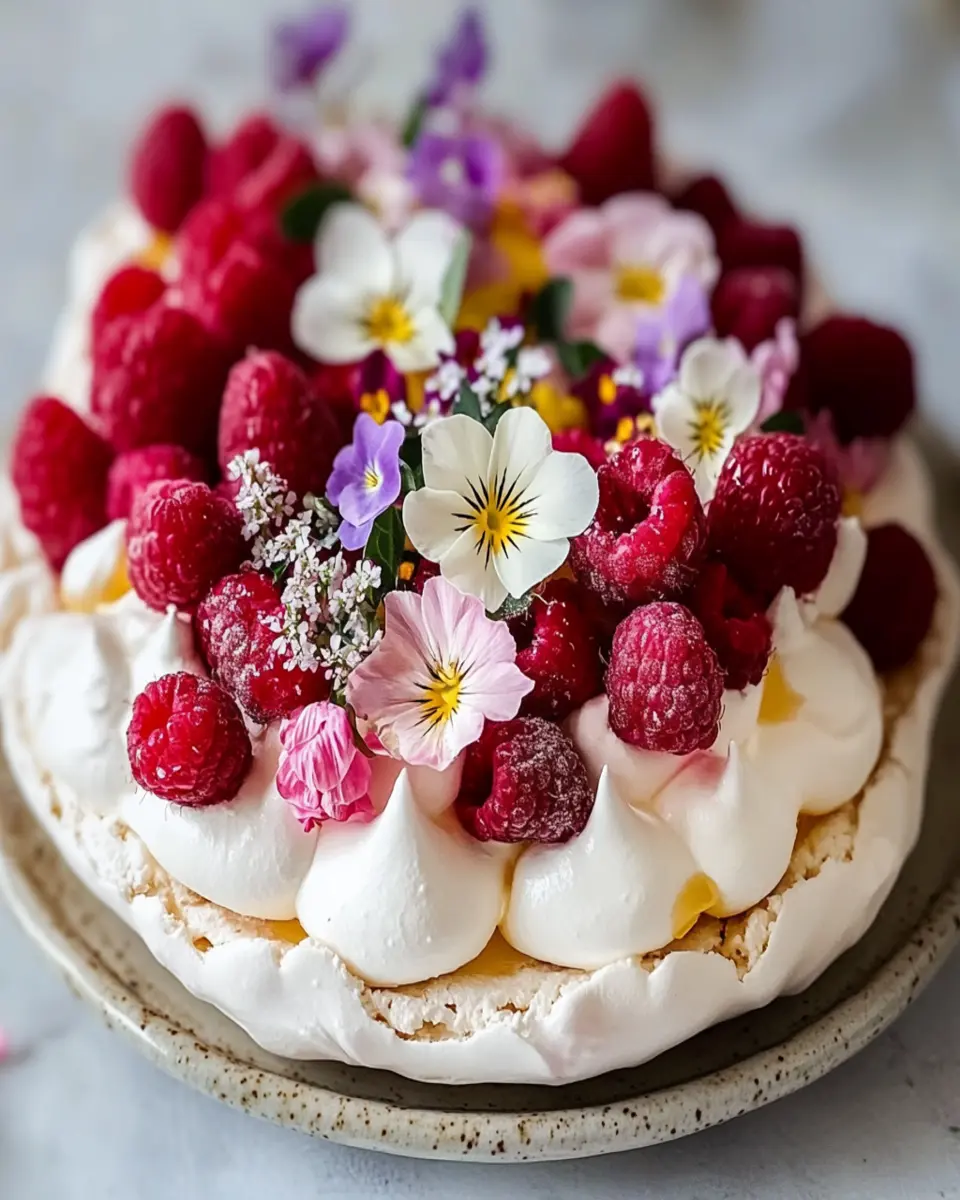
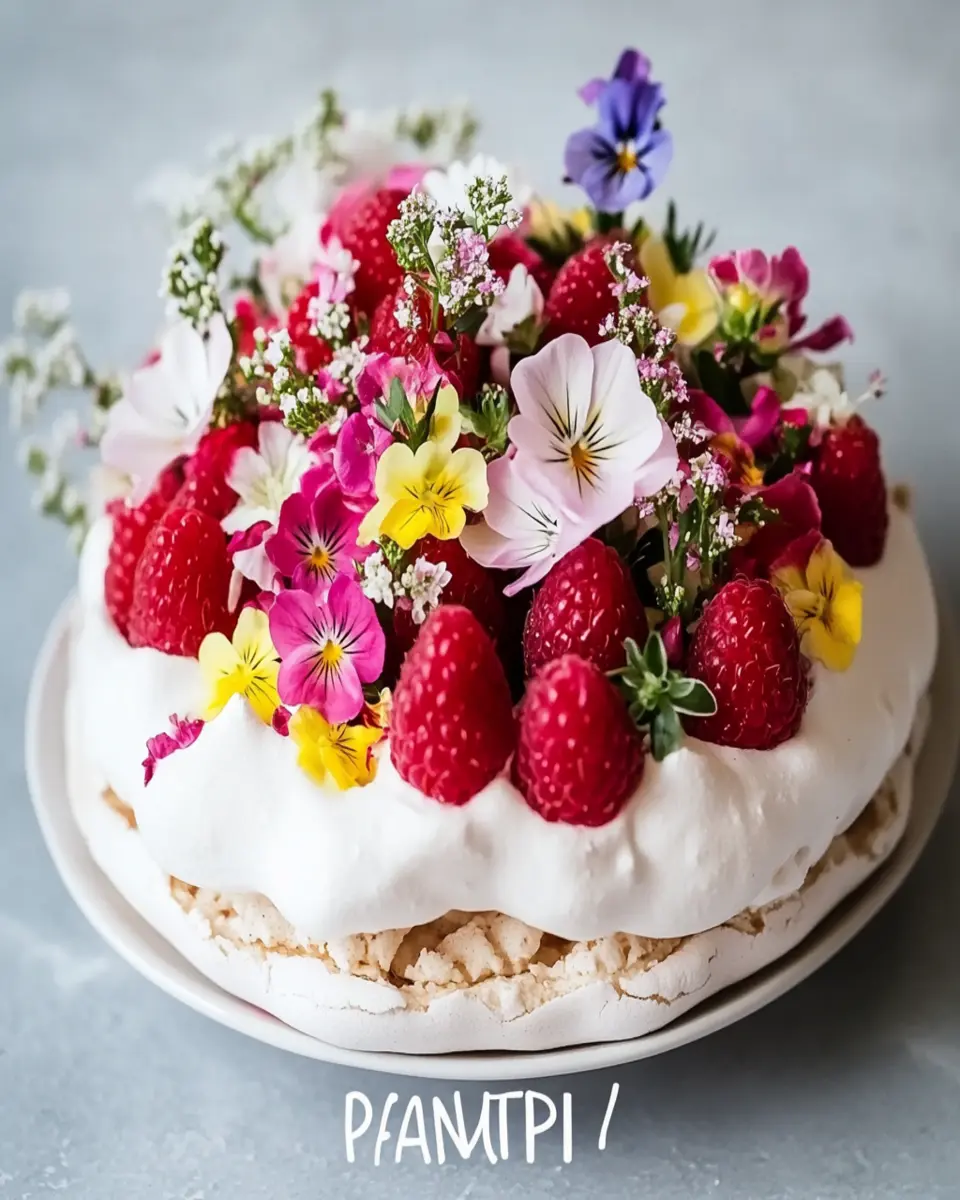
Easter is a time for celebration, family gatherings, and of course, delicious treats. One of the stars of any festive table is the Easter Pavlova with Raspberries and Edible Flowers. This dessert is not only visually stunning but also light and airy, making it the perfect end to an Easter feast. Its delicate meringue, topped with fresh, tart raspberries and vibrant edible flowers, captures the essence of spring and the joy of the season.
As young professionals juggling busy lives and a passion for homemade food, you might wonder how to create an impressive dessert without spending hours in the kitchen. Fear not! This recipe for Easter Pavlova is simple and quick, ensuring you can enjoy the process and impress your guests with minimal stress. The combination of textures—from the crispy meringue to the creamy whipped topping—paired with the juicy raspberries, offers a delightful experience with every bite.
In this guide, we will walk you through the ingredients and instructions needed to create this elegant dessert. You’ll find that each component is carefully selected to complement the others, resulting in a harmonious flavor profile. So, whether you’re hosting a brunch or simply looking to brighten up your family dinner, this Easter Pavlova will surely be a hit.
Let’s dive into the specifics of how to create this beautiful dessert that not only tastes amazing but also brings a touch of spring to your table.
Key Ingredients
Creating the perfect Easter Pavlova with Raspberries and Edible Flowers hinges on a few key ingredients, each playing a crucial role in the final outcome of this delightful dessert.
Egg Whites (4):
Egg whites are the foundation of the meringue, providing structure and volume. When whipped, they transform into fluffy peaks, essential for achieving that light, airy texture that pavlova is known for.
Granulated Sugar (1 cup):
Sugar not only sweetens the meringue but also stabilizes it, ensuring the pavlova holds its shape. The gradual incorporation of sugar into the egg whites is key to reaching stiff peaks, which results in a glossy finish.
White Vinegar (1 teaspoon):
This ingredient acts as an acid, helping to stabilize the egg whites further. It enhances the texture of the meringue, ensuring it remains crisp on the outside while soft on the inside.
Cornstarch (1 tablespoon):
Cornstarch contributes to the chewy interior of the pavlova, giving it that delightful contrast against the crunchy exterior. It helps absorb moisture, keeping the meringue from becoming too soggy.
Heavy Cream (1 cup):
Whipped heavy cream adds a rich, creamy layer atop the pavlova, balancing the sweetness of the meringue with its luscious texture. It’s the perfect canvas for the fresh fruit and flowers.
Fresh Raspberries (2 cups):
These vibrant berries not only provide a burst of flavor and acidity but also add a pop of color to the dessert. Their tartness complements the sweetness of the meringue beautifully.
Edible Flowers:
These flowers are the finishing touch, adding elegance and a splash of color. They not only enhance the visual appeal but also offer a subtle floral note that elevates the dessert to a new level of sophistication.

Why You’ll Love This Recipe
There’s something truly special about the Easter Pavlova with Raspberries and Edible Flowers that makes it a standout dessert for any spring celebration. This delightful treat combines a light, airy meringue with the tangy sweetness of fresh raspberries, making each bite a perfect balance of flavor and texture. Not only does it look stunning on any table, but it also invites a sense of joy and festivity that is perfect for Easter gatherings.
One of the best things about this recipe is its simplicity. With just a handful of ingredients and straightforward instructions, even the busiest young professionals can whip it up without feeling overwhelmed. Imagine surprising your friends or family with a show-stopping dessert that they’ll rave about, all while spending minimal time in the kitchen!
Moreover, the pavlova is wonderfully versatile. You can customize the toppings with seasonal fruits or additional edible flowers, making it a perfect dessert for various occasions beyond Easter. Plus, it’s gluten-free, accommodating those with dietary restrictions, which makes it an excellent choice for inclusive gatherings.
In short, this Easter Pavlova isn’t just a dessert; it’s an experience that brings people together and creates lasting memories. Whether you’re a seasoned baker or a novice in the kitchen, you’ll find joy in crafting this delightful treat. Try it out this Easter and see for yourself why it’s loved by so many!
Variations
The Easter Pavlova with Raspberries and Edible Flowers is a versatile dessert that can be easily adapted to suit your personal taste or seasonal ingredients. Here are some delightful variations to consider that will keep this dish fresh and exciting.
Different Fruits
While raspberries are a classic choice, feel free to swap them for other berries like strawberries, blueberries, or blackberries. Each fruit brings its own unique flavor and color to the dish, making it visually appealing and delicious.
Flavored Cream
Give the whipped cream a flavor boost by incorporating vanilla extract, lemon zest, or even a splash of liqueur such as Grand Marnier. These additions will elevate the overall taste and add an exciting twist to the traditional pavlova.
Alternative Toppings
In addition to edible flowers, consider topping your pavlova with toasted coconut, chopped pistachios, or a drizzle of chocolate sauce for added texture and flavor. These toppings not only enhance the taste but also create a stunning presentation that will impress your guests.
Seasonal Variations
Embrace the seasons by using fruits that are at their peak. In the summer, peaches or cherries can add a juicy sweetness, while in the fall, poached pears or figs can create an elegant dessert perfect for cooler weather.
Each of these variations allows you to customize the Easter Pavlova, ensuring that it fits any occasion while still retaining its essential charm and appeal.
Cooking Tips and Notes
Creating the perfect Easter Pavlova with Raspberries and Edible Flowers is all about attention to detail and a few handy tips that can elevate your dessert game.
Ensure Clean Equipment
Before you start, make sure that the bowl and beaters you use for whipping the egg whites are completely grease-free. Any oil or residue can prevent the egg whites from achieving the stiff peaks necessary for a successful meringue. A quick wipe with vinegar can ensure cleanliness.
Monitor Baking Time
Baking the meringue at a low temperature is crucial for achieving the desired texture. After an hour, turning off the oven and letting the meringue cool inside allows it to dry out gradually, preventing cracks. Avoid opening the oven door during this time, as sudden temperature changes can affect the meringue’s stability.
Whip Cream to Perfection
When whipping the heavy cream, watch for soft peaks. Overwhipping can lead to a grainy texture, which isn’t ideal for this delicate dessert. Stopping just before stiff peaks form will give you the perfect creamy layer to complement the meringue.
Serve Fresh
Pavlova is best enjoyed on the day it’s made. If you must prepare it ahead of time, store the meringue in an airtight container to maintain its crispness. Add the cream and toppings just before serving to keep everything fresh and vibrant.
These tips will help you create a stunning Easter Pavlova that will impress your guests and make your celebration unforgettable.
Serving Suggestions
The Easter Pavlova with Raspberries and Edible Flowers is not just a treat for the taste buds but also a feast for the eyes. To enhance your serving experience, consider presenting the pavlova on a beautiful cake stand, allowing its delicate layers to shine.
Pairing Ideas
This dessert pairs wonderfully with a light, fruity dessert wine or a refreshing herbal tea to complement its sweetness. Consider serving it alongside a scoop of vanilla or lemon sorbet for an extra layer of flavor and a cool contrast to the meringue.
Garnishing Tips
When ready to serve, sprinkle additional fresh raspberries and a few edible flowers on top for an eye-catching finish. A dusting of powdered sugar can add a touch of elegance, making this dessert perfect for any spring celebration or Easter gathering. This simple yet beautiful presentation will impress your guests and make the pavlova the star of the table!
Time Breakdown
Preparing the Easter Pavlova with Raspberries and Edible Flowers is efficient and straightforward, making it a great choice for time-pressed individuals.
Preparation
The prep time for this delightful dessert is just 20 minutes, allowing you to whip up the meringue quickly.
Cooking/Baking
Baking takes about 1 hour, and you’ll want to let the meringue cool in the oven afterward, which adds to your wait time but ensures the perfect texture.
Total
In total, you’re looking at around 1 hour and 20 minutes from start to finish.
For an efficiency tip, consider multitasking by preparing your toppings while the meringue bakes, so everything is ready to go when it’s time to assemble your pavlova!
Nutritional Facts
Understanding the nutritional profile of the Easter Pavlova with Raspberries and Edible Flowers can help you enjoy this delightful dessert with ease. Each serving contains approximately 210 calories, making it a light option for dessert lovers. The most notable components include 16 grams of total fat, with 10 grams being saturated fat, which mostly comes from the heavy cream. This pavlova also provides 20 grams of carbohydrates, including 15 grams of natural sugars from the fresh raspberries.
With 3 grams of protein per serving, this dessert can fit well into a balanced diet, especially when paired with fresh fruit. It’s gluten-free, making it suitable for those with gluten sensitivities, and is best enjoyed on the day it is made to maintain optimal texture and flavor.
FAQ
What is Pavlova?
Pavlova is a light, meringue-based dessert that originated in Australia and New Zealand. Named after the Russian ballerina Anna Pavlova, it features a crispy crust and a soft, marshmallow-like interior, typically topped with whipped cream and fresh fruits.
How do I store leftover Pavlova?
To store leftover Easter Pavlova with Raspberries and Edible Flowers, place it in an airtight container at room temperature. It’s best consumed within a day or two to maintain its texture, as the meringue can become soggy over time.
Can I make Pavlova ahead of time?
Yes, you can prepare the meringue in advance and store it in an airtight container. However, it’s best to add the whipped cream and fruit toppings just before serving to ensure freshness and prevent the meringue from becoming soft.
Why did my Pavlova crack?
Pavlova can crack for several reasons, including overmixing the egg whites or sudden temperature changes during baking. To minimize cracking, ensure the oven temperature is stable and avoid opening the oven door while baking.
Conclusion
In conclusion, the Easter Pavlova with Raspberries and Edible Flowers is a stunning dessert that perfectly embodies the spirit of spring and celebration. Its light and airy meringue, paired with fresh raspberries and vibrant edible flowers, makes it a delightful centerpiece for any Easter gathering. Not only is this dessert visually appealing, but it is also straightforward to prepare, making it ideal for young professionals who love homemade food but may be short on time.
This recipe invites creativity, allowing you to customize toppings and flavors to suit your preferences. Whether you’re entertaining guests or enjoying a quiet celebration, this pavlova is sure to impress. So why not give it a try? Cook, save, and share this recipe with friends and family to spread the joy of this delicious dessert!
Print
Easter Pavlova with Raspberries and Edible Flowers
- Total Time: 1 hour 20 minutes
- Yield: 8 servings 1x
- Diet: Gluten-Free
Description
A light and airy meringue topped with fresh raspberries and beautiful edible flowers, perfect for Easter celebrations.
Ingredients
- 4 egg whites
- 1 cup granulated sugar
- 1 teaspoon white vinegar
- 1 tablespoon cornstarch
- 1 cup heavy cream
- 2 cups fresh raspberries
- edible flowers (for decoration)
Instructions
- Preheat oven to 250°F (120°C).
- In a clean bowl, beat egg whites until soft peaks form.
- Gradually add sugar, continuing to whisk until stiff peaks form.
- Fold in vinegar and cornstarch gently.
- Spoon meringue onto a parchment-lined baking sheet, creating a round shape.
- Bake for 1 hour, then turn off the oven and let the meringue cool inside.
- Once cooled, whip the heavy cream until soft peaks form.
- Spread whipped cream over the cooled meringue.
- Top with fresh raspberries and decorate with edible flowers.
Notes
- Ensure the bowl used for egg whites is completely grease-free for the best results.
- This dessert is best served on the day it is made.
- Store leftovers in an airtight container to retain texture.
- Prep Time: 20 minutes
- Cook Time: 1 hour
- Category: Dessert
- Method: Baking
- Cuisine: Australian
Nutrition
- Serving Size: 1 slice
- Calories: 210
- Sugar: 15g
- Sodium: 5mg
- Fat: 16g
- Saturated Fat: 10g
- Unsaturated Fat: 4g
- Trans Fat: 0g
- Carbohydrates: 20g
- Fiber: 1g
- Protein: 3g
- Cholesterol: 70mg